
PROACTIVE WORKPLACE VIOLENCE PREVENTION IN THE HEALTHCARE ENVIRONMENT
“Ways to prevent becoming a victim through preparedness and response tactics”
With the continually rising trend of workplace violence in healthcare, hospital, clinic, and home health staff are at constant risk from becoming victims of physical or emotional workplace violence. Objectives include the use of Crime Prevention Through Environmental Design (CPTED) principles supported by security technology and changing the daily operational mindset of staff to use situational awareness, physical positioning, risk assessment, capital request strategy, de-escalation, notification, incident documentation, and response measures to be proactive in preventing a workplace violence incident from occurring.
Three presentation versions are available by request based on audience demographic – options include clinical staff, security professionals and/or hospital leadership focus.
Length: 1.25 hours / Q & A: 20 Minutes
_______________________________________________________________________________________________________________
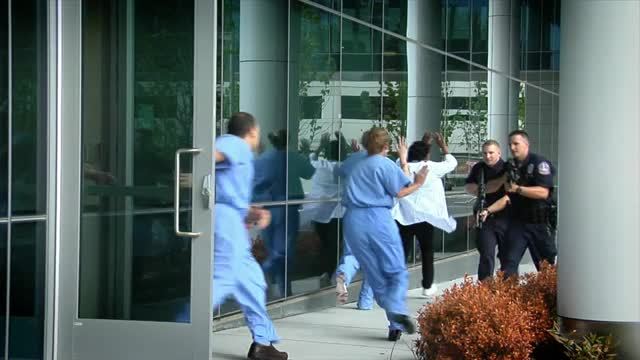
ARMED INTRUDER
“Proactive Response Strategies for the healthcare environment”
Objectives include understanding the concept of behavioral and situational awareness, identifying intruder behavioral pre-indicators before an event, understanding how victim response depends on the location of the intruder, thinking tactically, how to safely interact with law enforcement, how to reduce the effectiveness of an active shooter, and understanding mental and physical reactions should a victim encounter a shooter.
( Alternate presentation version available for the business environment)
Length: 1 Hour 45 minutes / Q & A: 20 Minutes
____________________________________________________________________________________________________________

CIVIL UNREST
“Strategies on how to mitigate impact on hospital operations”
Civil unrest can happen anywhere at anytime and can cripple hospital operations. Learn about the anatomy, players, and cause of civil unrest. Objectives include understanding activist tactics, how to proactively gather intelligence, threat management practices, and utilizing negotiation tactics to shorten the duration and severity of an event should your hospital be a target. Presentation also includes a case study of a targeted event experienced by the speaker’s organization.
Length: 1.5 hours / Q & A: 20 Minutes
__________________________________________________________________________________________________________

THREAT MANAGEMENT
Threats in the healthcare environment are increasing at an alarming rate, often stemming from untreated behavioral health issues, narcotic-seeking behaviors, societal violence, and accusing clinical staff for patient outcomes out of their control. This presentation focuses on the components of an effective threat management team, the critical importance and value of a violence risk assessment, roles and responsibilities of the threat management team members, the process of evaluating a threat, and three real-life case studies as experienced by the speaker’s organization.
Length: 1 hour / Q & A: 20 minutes
___________________________________________________________________________________________________________
DESIGNED, DEVELOPED, DELIVERED – THEY’RE YOURS
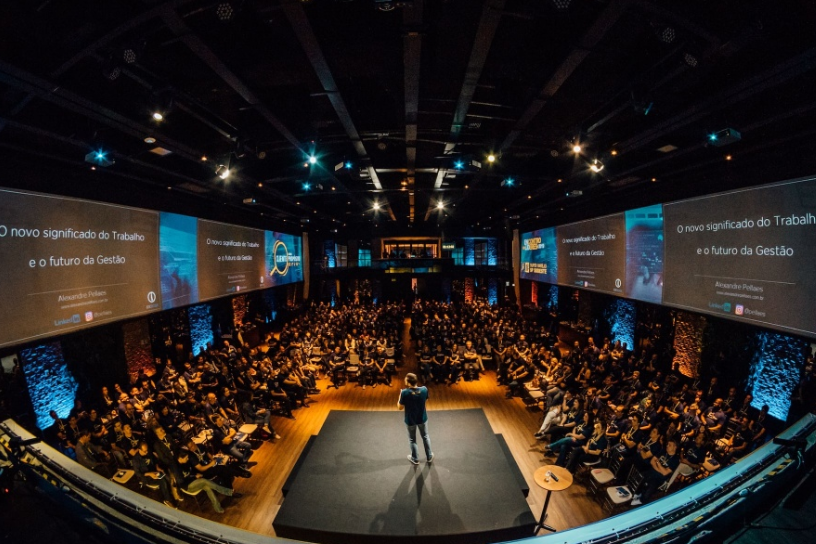
How to design presentations with captivating content, develop an engaging style and stage presence, and deliver material in an entertaining way that leaves audiences with clearly met objectives and a memorable experience
Contact directly for more detail and information regarding small group, large group, or one on one training sessions. (Course length is 1.5 hours for groups, and up to 2, 8-hour days for one on one training)
______________________________________________________________________________________________________________________

STREET GANG AWARENESS IN THE HEALTHCARE ENVIRONMENT
“How gang members present a threat to personal and organizational safety in the healthcare environment”
Being able to identify gang members and associates that present in healthcare settings can be an important skill when it comes to personal and organizational safety. Objectives include understanding the gang mentality, identifying gang member signs, language, and symbols, understanding where violence is most likely to occur in a hospital with a gang member present, what actions can be taken and resources used in order to mitigate possible violence, and learning about personal safety measures that hospital staff may choose to take to prevent being located outside the workplace should they be threatened by a gang member.
Length: 1.5 hours / Q & A: 20 Minutes
______________________________________________________________________________________________________________________

THE VALUE OF ANALYTICS & QUALITY VIDEO MANAGEMENT SYSTEMS
“How analytics and a quality VMS can make for a more effective and reputable security program”
A quality video management system can pay for itself over time by capturing theft, fraud, safety issues and providing clear evidence for legal proceedings. However with the use of analytics, the role of security has transformed from reactive to proactive in identifying incidents as they are occurring and initiating a response in real time. Learn about how the creative application of analytics can reduce risk, increase officer presence, and prevent crimes before they happen.
Length: 1 hour / Q & A: 20 minutes
______________________________________________________________________________________________________________________

UNDER REVISION
SITUATIONAL AWARENESS
“Your role in personal and organizational safety”
Being situationally aware can increase personal and overall organizational safety. Objectives include understanding how physical positioning can greatly reduce the risk of workplace violence, the concept of environmental scanning, and learning the role of the individual in an organization’s security program.
Length: 1 hour / Q & A: 20 Minutes
 Change Agent Presentations